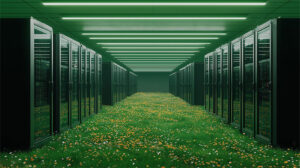
The Future of Data Centers is Rural
Imagine cutting-edge AI infrastructure not housed in urban data warehouses, but nestled among rolling hills and farmlands. This isn’t a futuristic concept; it’s happening now. Rural data centers represent a fundamental shift toward authentic zero carbon operations, moving beyond accounting tricks to achieve true environmental impact.
The AI revolution has created unprecedented demand for computing power, but traditional urban data centers can’t deliver the combination of sustainability, cost efficiency, and energy independence that modern enterprises require. Rural locations offer a compelling solution: direct access to renewable energy sources, abundant space for on-site generation, and the infrastructure needed for genuine carbon neutrality.
From Urban Concentration to Rural Innovation
Data centers evolved from mainframe rooms in office buildings to massive facilities clustered around urban centers. For decades, proximity to fiber networks and power infrastructure drove location decisions. But several factors changed this calculus:
- Land costs: Rural areas offer vast space at a fraction of urban real estate prices
- Energy access: Direct connection to hydroelectric, solar, and wind resources
- Grid independence: Opportunity to build microgrids with energy storage
- AI demands: High-density computing requires specialized power infrastructure
Early pioneers like Microsoft recognized that transmitting data over long distances is more efficient than transporting electricity. This insight opened the door to placing compute resources directly at renewable energy sources.
Beyond Carbon Neutral: Achieving True Zero Emissions
Rural data centers enable authentic sustainability that goes far beyond purchasing renewable energy credits (RECs). Strategic rural placement creates genuine environmental benefits through multiple approaches.
On-Site Renewable Energy Generation
Instead of relying on grid power backed by RECs, rural data centers can deploy solar arrays, wind turbines, and battery storage directly on-site. This approach eliminates scope 2 emissions entirely without any accounting required. With 50-150% renewable generation capacity and 4-8 hours of battery backup, these facilities achieve true energy independence.
Microgrid Architecture
Rural locations enable sophisticated microgrid systems that can island from the main grid during outages. This capability eliminates the need for diesel backup generators, which are a major source of emissions in traditional data centers. The result is continuous operation with zero carbon footprint, even during grid emergencies.
Natural Cooling Advantages
Cooler rural climates reduce cooling energy requirements significantly. Advanced air cooling systems can achieve 1.15-1.25 PUE (Power Usage Effectiveness) ratios, dramatically reducing total energy consumption compared to urban facilities requiring intensive mechanical cooling.
Responsible Rural Development
While rural data centers offer significant sustainability advantages, responsible development requires addressing legitimate concerns about resource usage and community impact.
Water Stewardship
Advanced cooling technologies like closed-loop systems and liquid immersion cooling can reduce water consumption by 95% compared to traditional evaporative cooling. Some facilities achieve full air cooling, eliminating water usage entirely for cooling operations.
Community Integration
Leading rural data center operators invest in community partnerships, from sharing excess renewable energy with local grids to providing waste heat for agricultural operations. These symbiotic relationships create genuine local benefits while advancing sustainability goals.
Economic Development
While operational staffing is limited, rural data centers create substantial economic impact through construction, ongoing maintenance, property taxes, and utility infrastructure investments. The key is transparent communication about realistic job creation and economic benefits.
Innovation Driving Efficiency
Rural data centers serve as testing grounds for breakthrough technologies that enhance both sustainability and performance:
- Advanced energy storage: Grid-scale batteries and emerging technologies like compressed air storage
- AI-optimized infrastructure: High-density power delivery (10-40kW per rack) with intelligent thermal management
- Predictive maintenance: IoT sensors and machine learning for optimal resource utilization
- Heat recovery systems: Capturing waste heat for local heating and agricultural applications
Business Case for Rural Zero Carbon Data Centers
Beyond environmental benefits, rural zero carbon data centers deliver compelling business advantages.
Cost Leadership
Lower land costs, reduced energy expenses, and elimination of peak demand charges can reduce total cost of ownership by 30-50% compared to urban alternatives. On-site generation eliminates volatile utility costs and provides predictable operating expenses.
Risk Mitigation
Energy independence reduces exposure to grid outages, utility rate increases, and regulatory changes. Distributed rural facilities provide geographic diversity that enhances overall system resilience.
ESG Compliance
Authentic zero carbon operations simplify ESG reporting and eliminate the complexities of REC accounting. This transparency supports corporate sustainability commitments and stakeholder confidence.
The Path Forward
As AI demands continue growing and sustainability requirements intensify, rural zero carbon data centers represent the future of digital infrastructure. Key trends shaping this evolution include:
- Regulatory support: Governments recognizing rural data centers as economic development and climate solutions
- Technology advancement: Continued improvements in energy storage, cooling efficiency, and renewable generation
- Corporate adoption: Enterprises prioritizing authentic sustainability over accounting-based solutions
- Grid integration: Rural facilities supporting grid stability through energy storage and demand response
Conclusion: Authentic Sustainability for the Digital Future
Rural data centers represent more than just a new location strategy; they embody a fundamental shift toward authentic environmental responsibility in digital infrastructure. By combining on-site renewable generation, energy independence, and community integration, these facilities prove that true zero carbon operations are not only possible but economically advantageous.
For enterprises seeking genuine sustainability impact rather than accounting solutions, rural zero carbon data centers offer a clear path forward. The question isn’t whether this model will scale—it’s how quickly organizations will embrace the opportunity to achieve authentic environmental leadership while reducing costs and improving performance.
The future of data centers isn’t just rural; it’s zero carbon by design, not by accounting.