Data centers are the invisible backbone of our digital lives, but they come with a significant environmental cost. As demand for cloud computing, AI, and high-performance data processing continues to soar, the industry is pivoting toward a critical goal: zero carbon data centers. This post explores the technical strategies, challenges, and breakthroughs shaping this transformation.
Why Zero Carbon Data Centers Matter
Traditional data centers consume vast amounts of electricity—often powered by fossil fuels—and generate heat that requires further cooling. According to the International Energy Agency, data centers account for about 1% of global electricity demand. Reducing their carbon footprint is no longer just a corporate social responsibility initiative; it’s a competitive and regulatory necessity.
Green Energy Integration
One of the most impactful steps toward zero carbon is transitioning to renewable energy sources. Data centers are increasingly signing long-term Power Purchase Agreements (PPAs) with wind, solar, and hydro providers. Some advanced strategies include:
- On-site renewable generation: Solar panels installed on rooftops and adjacent land can power operations during daylight hours.
- Battery storage systems: Help balance intermittent supply from renewables and ensure uptime even when sunlight or wind isn’t available.
- Direct grid integration: Connecting directly to renewable energy grids to prioritize cleaner power sources.
Energy Efficiency Innovations
Reducing energy use is just as important as switching to renewables. Recent technical advances include:
- Advanced cooling technologies: Liquid cooling and immersion cooling allow heat to be removed more efficiently than traditional air cooling, especially in high-density environments.
- AI-driven energy management: Machine learning systems can predict workloads and adjust cooling, power allocation, and even server scheduling in real time.
- Low-power hardware: Custom chips designed to perform specific tasks more efficiently reduce total power consumption.
Designing for Sustainability
The move to zero carbon also affects the architecture and materials used in data center construction:
- Modular design: Allows scaling capacity as demand grows without overbuilding and wasting resources.
- Recyclable and low-carbon materials: Using steel, concrete, and insulation with reduced embodied carbon helps lower the lifecycle footprint.
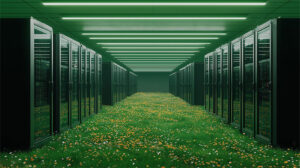
- Green roofs and natural landscaping: Enhance insulation, manage rainwater, and contribute to local biodiversity.
Emerging Technologies on the Horizon
Several breakthrough technologies promise to push zero carbon goals even further:
- Hydrogen fuel cells: Could serve as backup power, replacing diesel generators with a cleaner alternative.
- Geothermal cooling: Tapping into underground temperatures to reduce cooling loads.
- Direct air capture: Systems that remove CO₂ from the atmosphere, offsetting any residual emissions.
“Achieving zero carbon isn’t just about clean power—it’s about rethinking every layer of data center design, from hardware and software to construction and location.”
Challenges to Overcome
Despite promising advancements, several hurdles remain:
- Renewable intermittency: Managing power supply when wind or solar isn’t producing requires advanced storage and grid solutions.
- Cost and scalability: Cutting-edge cooling and hardware are often expensive to deploy at scale.
- Geographic limitations: Not all locations can easily access renewable energy or innovative cooling methods.
The Road Ahead
Major tech companies like Google, Microsoft, and Amazon have already committed to ambitious carbon neutrality goals. But beyond these tech giants, the broader industry is also adapting, driven by consumer demand, stricter regulations, and investor pressure.
Smaller cloud providers and colocation services are exploring creative solutions—like partnering with local renewable energy projects, upgrading to energy-efficient equipment, and investing in carbon offsets for unavoidable emissions.
Conclusion
The transition to zero carbon data centers isn’t a single technology shift; it’s a multi-layered, deeply technical transformation. From AI-optimized energy use to on-site renewables and next-generation cooling, the industry is reimagining what a data center can be. As these technologies mature and scale, the vision of truly zero carbon data centers is not only possible—it’s increasingly inevitable.
Have thoughts on zero carbon data centers or want to share how your organization is making a difference? Get in touch!